The author

Written from the sensor up

Perception Stack is written by an engineer who has spent years working directly with robotic perception and sensor platforms. Most of what I publish starts at the hardware: what a sensor actually measures, how it drifts, and what assumptions a navigation result quietly depends on.

The goal is to connect the pieces of the perception stack, from sensor hardware and deep-learning mathematics to state estimation and navigation, rather than treating them as separate subjects. Each article is an attempt to make the chain of reasoning visible.

How it is written

Derivations first, hype never

Every equation is derived step by step so the reader can check each move, and every tutorial states the assumptions it depends on. Where a concept is tied to particular hardware, the article says so, and where a simplification is made, it is named. Mathematics here is a tool for explaining a system, not a way to hide it.

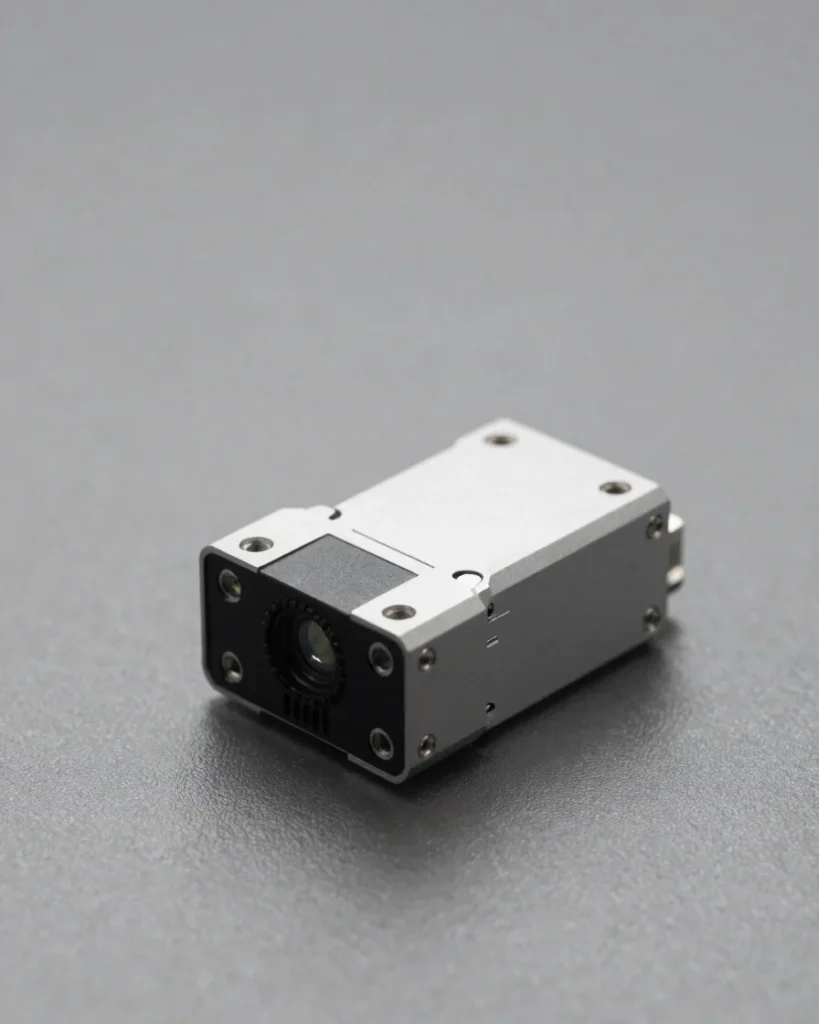
The publication focuses on fundamentals that stay useful over time, including filtering, state estimation, sensor models, and neural network mathematics for perception. Transient industry trends and unverified performance claims are left out. If a result cannot be reproduced or grounded in physical measurement, it does not appear here.

Start with a sensor, then follow the math.

Browse the articles or work through the tutorials.